
We’ve seriously lost count of the number of times we’ve watched A Hard Day’s Night. Widely regarded as The Beatles’ ‘best’ movie (although we’ve got a personal soft spot for the psychedelic insanity of Magical Mystery Tour), A Hard Day’s Night continues to be a chuckle-inducing slice of mid-sixties irreverence, whilst also bottling the giddy world of the young Beatles in their ascendancy. The songs are pretty good too…
Directed by Richard Lester and written by Alun Owen, the film depicted a day in the increasingly frantic life of John, Paul, George and Ringo, then in the midst of Beatlemania.
Somehow, Lester managed to portray the Beatles as both effortlessly cool, yet also slightly ridiculous.
Acerbic one-liners and childish in-jokes between the four (and Paul’s ‘very clean’ Grandfather, played by Wilfrid Brambell) sold to audiences around the world that the Liverpool lads had a solid chemistry that went well beyond music.
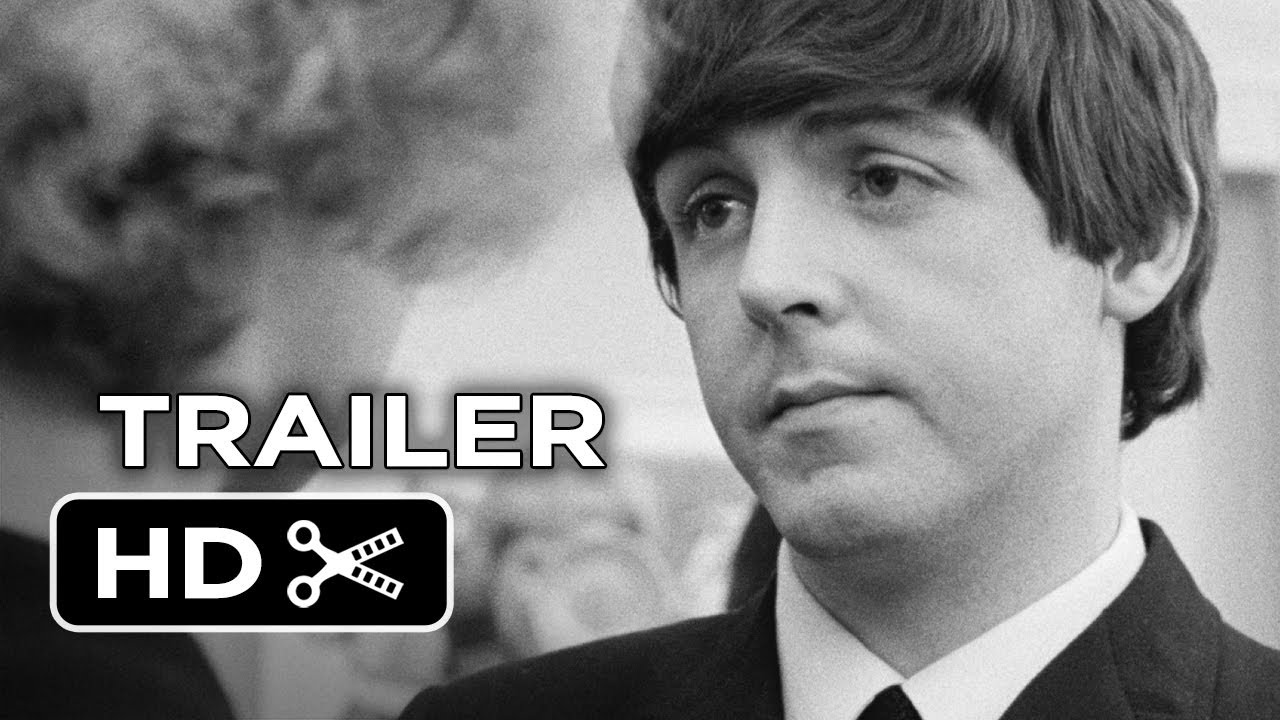
“I mean, it’s not Lawrence Of Arabia. It’s a snapshot of who they were and how they were and what it was like then,” Giles Martin - the son of the Beatles’ producer George Martin - told us back in 2014. “Even though it’s a spoof, it does give you a bit of a view of their world back then. It’s the first long-form video as well, and as such it’s incredibly daring. I can’t think of a band that would let their lead guitarist fall flat on his face in the opening scene.”
Martin, who was speaking to us during the remastering process of the film at the time, told us how the film - and the equally important accompanying album (the first Beatles album to be filled entirely with Lennon/McCartney originals, we might add) was produced at pace…
“The great thing about The Beatles, and this is hard to get across, is that they would go in and make stuff that was bursting with energy,” explained Giles. “They’d finish it and move on to something else. Everything moved at an incredible speed, but it’s a speed that must’ve felt normal to them, or at least ‘This is the way that we do it.’ They did things brilliantly by instinct and by accident.
“There’s a lot of talk about technology and The Beatles – they broke down walls and all of this. But you have to break down walls if you want to try new things, which they obviously did. With them, it was always about getting the heart and the energy across. That’s the best thing about A Hard Day’s Night – it has heart and it has energy.”

Giles explained how the film’s ramshackle energy was well-judged; “It’s more rock ‘n’ roll than you think, and it’s more obscure as well. They wrapped their edginess into a package – they wore suits, which made them come across as these respectable blokes to kids’ parents. That’s the thing about A Hard Day’s Night: It gets under your skin, no matter who you are.”
For Giles, who wasn’t born when the film was originally released, watching and working on A Hard Day's Night for its remaster was simultaneously a technical challenge as well as an emotional one, considering how significant a role his father played in the Beatles’ history.
“The movie impacts me differently than it probably does most people. You have to approach a project like this with two heads on, so that involves being deeply emotional and incredibly cold all at the same time. It’s a bit like being a surgeon.
“The movie was made before I was born, so I wasn’t really conscious of it growing up. The truth is, I didn’t really watch it as a kid; it was one of those films that wasn’t shown on TV a great deal. I think I saw Help! a lot more. But when I did see it, I loved it, and of course, the chance to work on it was tremendously exciting.”

Aside from talking us through the technical challenges of cleaning-up and polishing the film’s audio, Martin speculated on an interesting factoid - just why was it that the band’s name was never mentioned once in the entire film?
“That’s interesting. Maybe they were thinking of changing their name. [Laughs] Maybe it was a case of – and this is me speculating – that it’s not really them. It’s four people playing how The Beatles would be, almost as a caricature. It’s a case of suspension of belief, maybe…”
Read the full 2014 interview with Giles Martin on A Hard Day’s Night here.

