


Glenn Danzig was not going to give up the darkness just because the Misfits were over. The fountainhead of horror-punk had several shades of night ahead of him, and he would explore his dark obsessions in full on records to come.
He put together Samhain with Misfits photographer Eerie Von on bass guitar in 1983. After two albums, there was major label interest. Epic and Elektra were sniffing around before producer Rick Rubin and his label, Def American Recordings, came calling in 1986.
The story goes that Rubin was never a huge fan of the Misfits but he liked Samhain, and what he really wanted was Glenn Danzig as a solo artist. But he and Eerie Von came as a package. Still, there was a personnel shakeup in the works. New blood was needed, and guitarist Pete ‘Damien’ Marshall was out.
Samhain and Rubin cast the net for a replacement, auditioning the gifted and super-keen John Knoll. Knoll grew up in Catonsville, Maryland, and had a formal musical education, studying classical guitar at the Peabody Institute in Baltimore, then jazz at Towson University. He was hardly from central casting, but then he had this BC Rich Bich, an electric guitar with all these switches and a medieval shape. And his audition, hell, that was the stuff of legend.
Knoll tore open his finger. Blood was everywhere. By the end of it, it was smeared all over Glenn Danzig, too. Knoll sure thought he was in.
“I accidentally brushed up against Glenn and left six bloody lines on his shoulder,” he told Guitar World. “Rick Rubin thought this was awesome. Glenn thought I was on speed. I was just pissed off because I had to wait four hours to audition.”
Knoll was kept waiting. Days went by, weeks. In the meantime, he’d call up Glenn Danzig and leave recordings of him playing guitar on the answering machine.
“Glenn was not too impressed with my rhythm playing at the time, but my lead playing spoke for itself,” Knoll added.
A month later, he got asked back, got the gig, and Samhain started work on an album in February 1987.
A transformation was underway. The band was to be rebranded Danzig. Knoll was rechristened John Von Christ, then simply John Christ. Drummer London May was replaced by former DOA/Black Flag drummer Chuck Biscuits.
Danzig, Christ, Von, Biscuits: now there was a lineup.
There was a sense of outlaw theatre to it all. They would keep the Samhain skull logo, a Michael Golden illustration from the cover of a 1984 Marvel comic, The Saga of Crystar: Crystal Warrior #8. It would be set in white against black – that would be their iconic cover for their debut.
Glenn Danzig had a vision for his band. And Rubin had a vision of his own. He was going to do for Danzig what he did for Slayer on Reign In Blood, stripping the band's sound down to its quintessence, foregrounding Glenn Danzig’s vocals as this unholy Elvis Presley figure – the ‘Evil Elvis’ with the primal howl and a brooding poetry, like Jim Morrison on a bad acid trip.
They wore black. Their sound was metal any yet not typically metal; there was hard rock, rock ’n’ roll, blues. And there were riffs. Glenn Danzig knew how to write a song all right, but when Mother came to him, he knew he had struck gold.
The first time we played it, people went crazy
Glenn Danzig
It could not be more simple. Those opening chords, the B5, to open G – but just its root and third, at least for the intro – then the A5. The combo could not be more powerful.
Jeff Kitts, writing in the sadly defunct Flux Magazine, heard from the horse’s mouth how Glenn Danzig was so excited by the song that he couldn’t wait until morning to tell someone about it.
“I remember calling Rick Rubin in the middle of the night and telling him that I wrote an incredible song – probably the best song I'd ever written,” said Danzig. “It was the song I always wanted to write.”
Those three chords stopped you in your tracks. Danzig’s audience could not get enough of it. Mother had the same effect on them as it on the man who wrote it.
“The first time we played it, people went crazy,” he told Kitts.
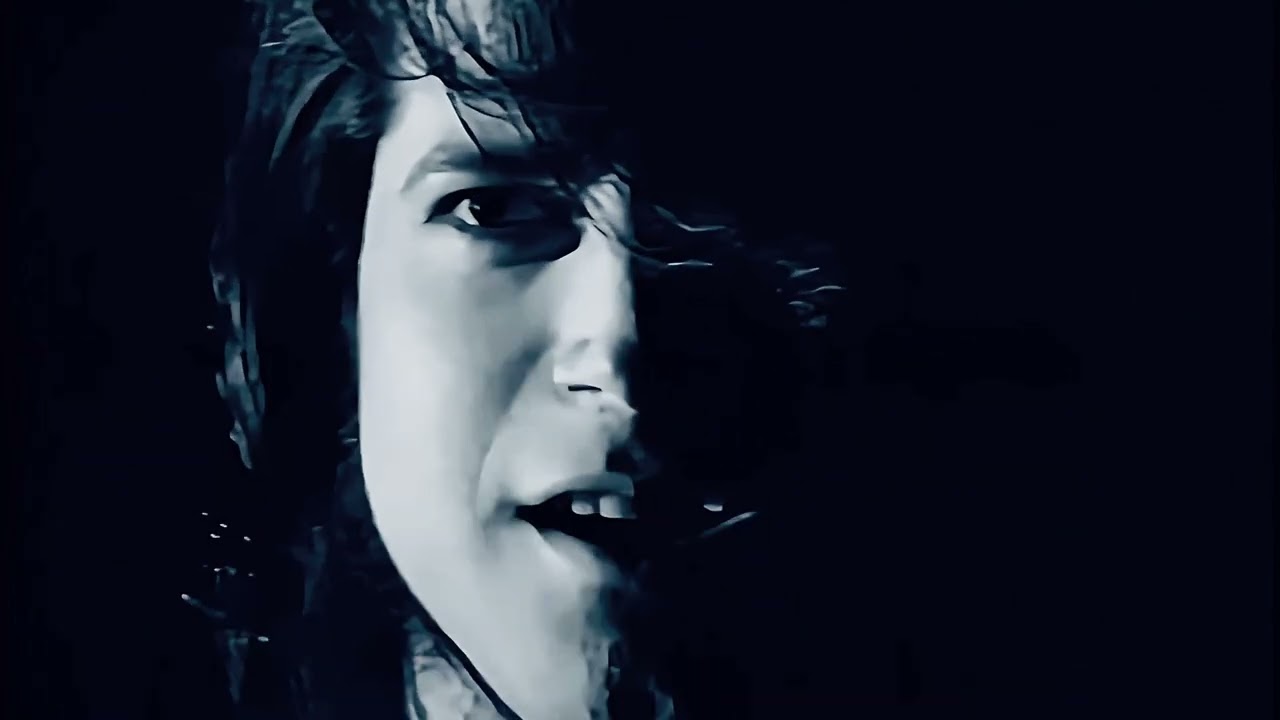
Christ went into the Danzig recording sessions at a disadvantage. On the flight out to LA to play a riotous show with Slayer at the Palladium, disaster struck. The neck on his BC Rich Bich got broken. He tried to play the show with a Les Paul but borrowed a Mockingbird from Kerry King. When he got back to NYC, he needed a guitar.
Christ says he stopped in at Sam Ash on 48th Street and spent hours auditioning guitars. His choice? A high-end electric guitar from a new brand named Paul Reed Smith. PRS Guitars was in its infancy then. Christ rented the PRS and tracked all his rhythm parts with it. Danzig has always sounded like a Marshall amp record, and there’s definitely some of that going on. Christ has also said he used a Bedrock amp but blew it up on him. There was a Laney in the mix too.
When it was time to track his solos, his Bich was back. Christ had two solos on Mother. He had to nail them. Speaking to Guitar World, he said it was one of the easier tracks to record, and gave credit for his lead sound to the late legendary engineer Dave Bianco.
“The first solo was a group effort,” said Christ. “I was nervous in the studio. I learned during this session that the recording engineer is the lead guitarist’s best friend, so Dave Bianco was my hero. I seem to recall that Dave helped me get an awesome lead sound that I was comfortable with; we ran through a bunch of takes, and everyone gave their opinions. Eventually, I got some good passes that Dave could cut into one cohesive solo.”

Christ with his pinch harmonics and on-point phrasing was the foil Glenn Danzig’s voice needed. After the nerves of the first solo, the second went down easy, all instinct.
I was ready to rip back in those days, and I was still trying to impress people with how fast I could play
John Christ
“I was ready to rip back in those days, and I was still trying to impress people with how fast I could play,” he added. “The chord progression for Mother lent itself to some of my favourite Ted Nugent pull-off licks. My first guitar hero was Ted Nugent, and so the second solo in Mother was inspired by him all the way.”
It ripped all right. The fans were impressed. Christ had introduced himself as one of metal’s most charismatic players. Danzig had found their audience in the Misfit fans who’d follow Glenn Danzig from dusk ’til dawn. Some of the metal kids got it. But even so, the rest of the world was not paying attention.
“I never wrote that song to make it a hit,” Danzig told Flux. “I never wrote that way, and I still don’t. I write songs so that they say something and do something, and if people like ‘em, great – and if they don’t, they don’t.”
They would eventually. Mother had to wait six years after its original release before it was picked up by MTV, ironically on its Buzz Bin magazine show that had been on-air since 1987, one year before Danzig’s eponymous debut was released.
Buzz Bin played promo videos from up-and-coming acts of all genres. In the early 2000s, John Mayer was on regular rotation. But was a particularly invaluable means of trafficking alternative rock and metal to a mainstream audience. It was how this new generation of MTV kids discovered bands such as Alice In Chains and Dinosaur Jr.
It does the producers of Buzz Bin little credit that it took almost six years for them to discover Danzig, but there are mitigating circumstances.
The original video for Mother, with its blood sacrifice of a chicken before an almost-naked woman on a slab, was considered too raw for an era in which Tipper Gore and assorted idiots were doing their damnedest to attenuate transgression in popular music. Prudes. Dinosaurs. The asteroid hit them anyway: Mother was too good a track to be denied. It’s time would come.
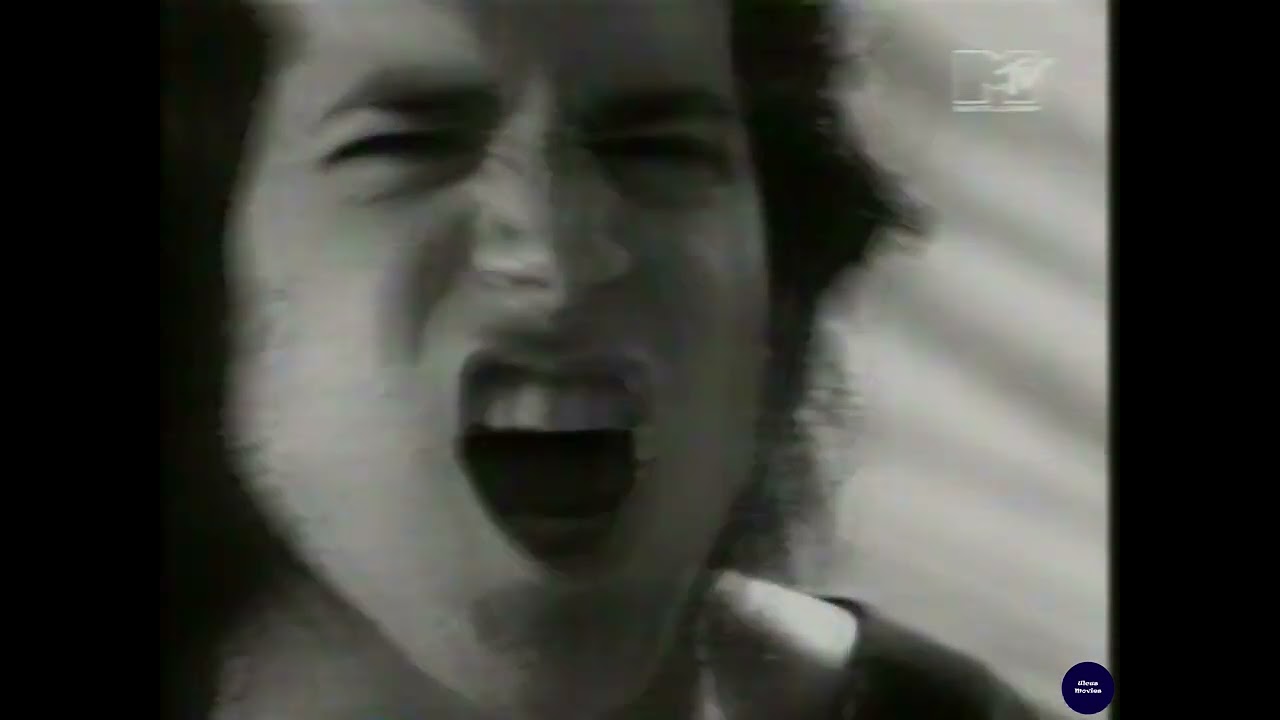
Danzig III: How The Gods Kill was released in 1992. They played a legendary Halloween show at Irvine Meadows Amphitheatre, California, where they recorded a bunch of tracks for the Thrall-Demonsweatlive EP.
The EP also had a remix of Mother that added extra effects to the guitar – some reverb, some modulation – and, crucially, it had a promo video documenting the animal passions of the band’s live show. Buzz Bin’s hit-making prowess did the business. Danzig exploded.
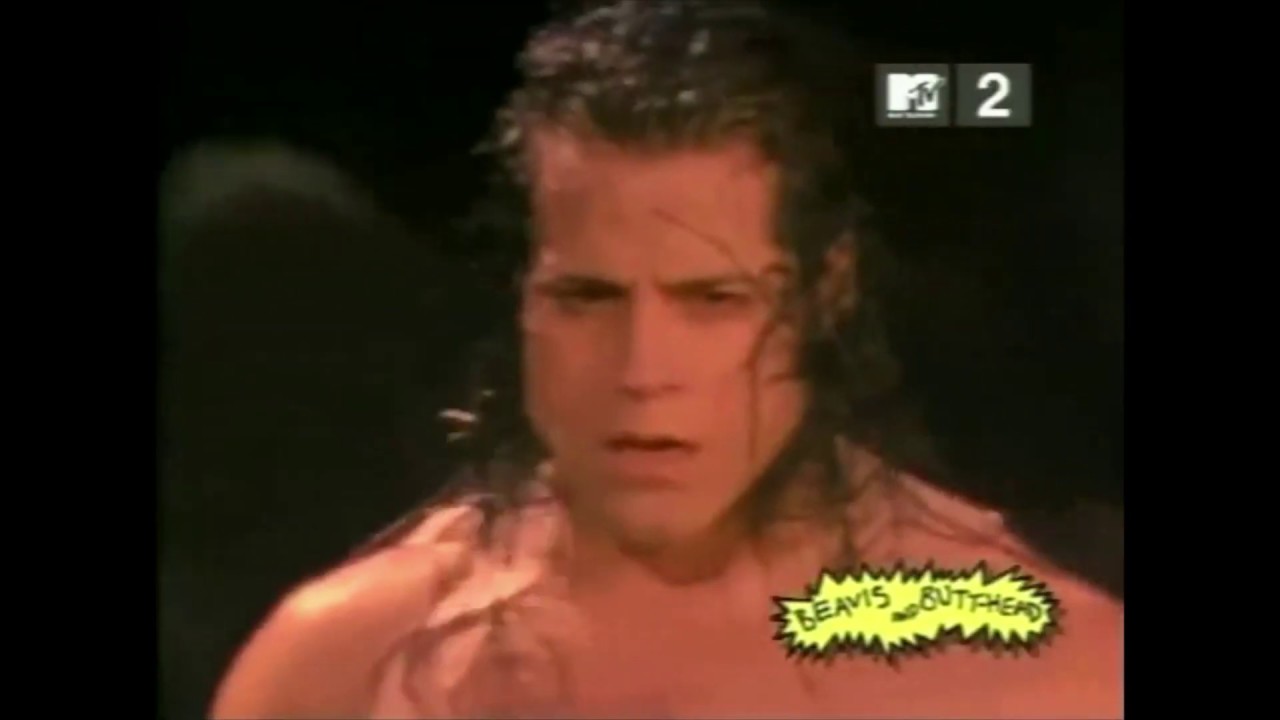
They were on Beavis and Butt-head, where Mike Judge’s cartoon heshers greeted Mother with unconditional approval.
“Hey, Butt-head. Didn’t this song have another video?”
“Yeah, this song is so good they had to do it twice.”
This was not always the case, as the likes of Slaughter and Kip Winger would tell you.
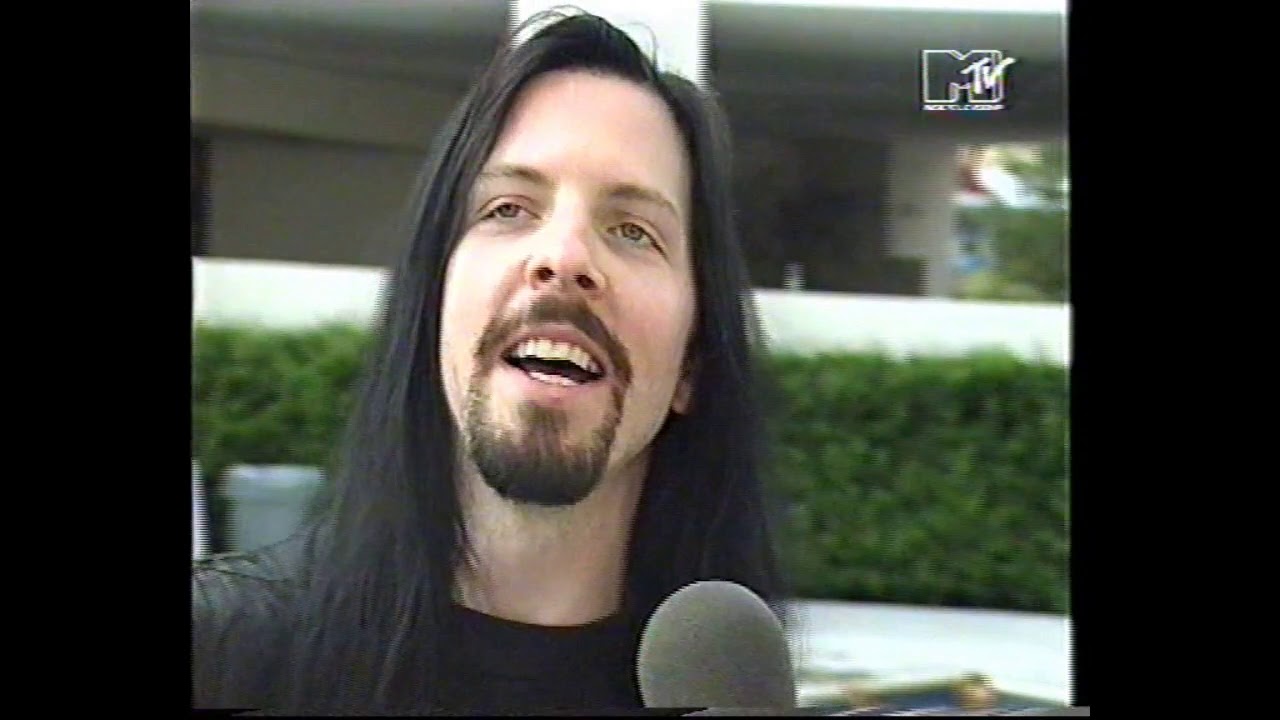
Suddenly, seemingly overnight, Danzig were everywhere. There was MTV’s host of Headbanger’s Ball, Vanessa Warwick, interviewing Christ by the side of a pool, asking what the secret was to Mother’s success.
“Well, music has changed,” said Christ. “We were one of the first that came out with a sort of alternative type of hard rock sound. It wasn’t metal. It wasn’t necessarily alternative. It was hard to put a label on it. It was very stripped down, and, of course, our hardcore fans liked the song way back when.”
It wasn’t just MTV that was giving Danzig a push. Their label, Rubin’s Def American Recordings, was really behind them in a big way. “I have to give them a lot of credit, because they pushed it over the top,” added Christ.
Danzig’s debut was one of metal’s perfect albums. Twist Of Cain, Not Of This World, the blues-metal vampiric groove of their cover of Albert King's The Hunter, the B-movie magic of Am I Demon.
The album would have been great even without Mother but this was the skeleton key to unlock mass appeal – a triumph for the physics of simple music, of Glenn Danzig’s full-moon charisma and John Christ's guitar.
And of course, it enjoyed an afterlife, rediscovered by a younger generation when it appeared on Guitar Hero II. A track like Mother, however, is eternal.
Cast your mind back to the ‘80s and early ‘90s, when opening for Metallica was a real trial by fire. Billy Duffy of the Cult, or Geoff Tate of Queensrÿche will tell you; Metallica’s audience was not blessed with patience. But Christ told Warwick that it was different when Danzig supported them, especially when they had Mother on the setlist.
“On the Metallica tour, I go up there onstage, and I know the song’s coming,” said Christ. “Every city’s a little bit different, but when I play those first three chords, the place just comes alive. It goes crazy.
“The energy level just hits the roof and I get chills up my spine – I’m getting chills just now thinking about it. And then they sing along to the whole song, Glenn, half the time, puts the microphone out, lets them sing the chorus, and then we have them for the rest of the night. They’re ours.”
John Christ passed away on 15 November 2026, aged 61. He recorded four albums with Danzig. But like he says above, all he needed was those three chords and then he's got us where he wants us.
